Give your AI a way to act.

A portable AI KVM.
Connect your agent to the devices you already use.

A physical
connection.

Screen context comes in through HDMI. Keyboard and mouse input goes back through USB.
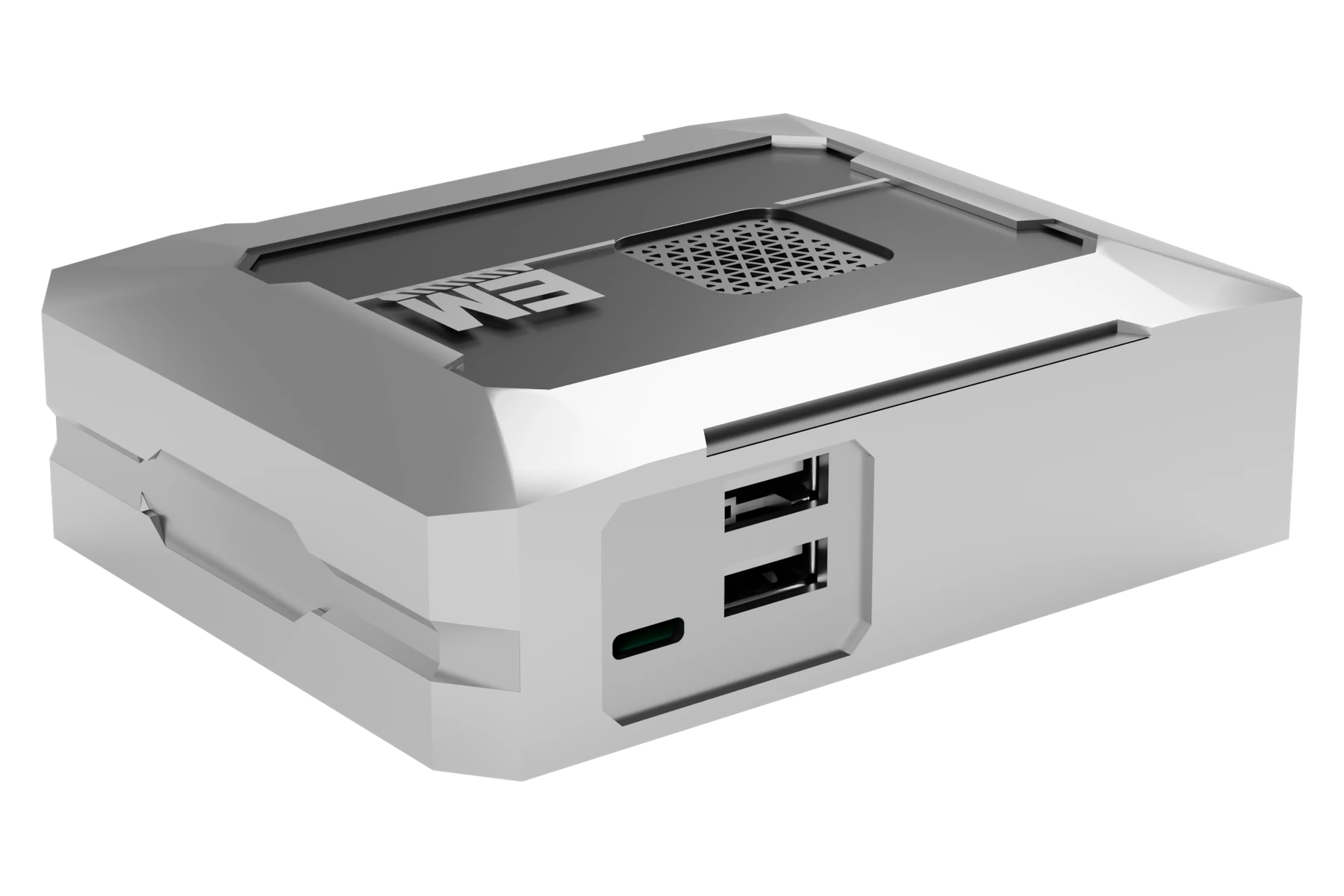
ETT rear connection design

Open it up.

A portable control terminal, seen layer by layer.
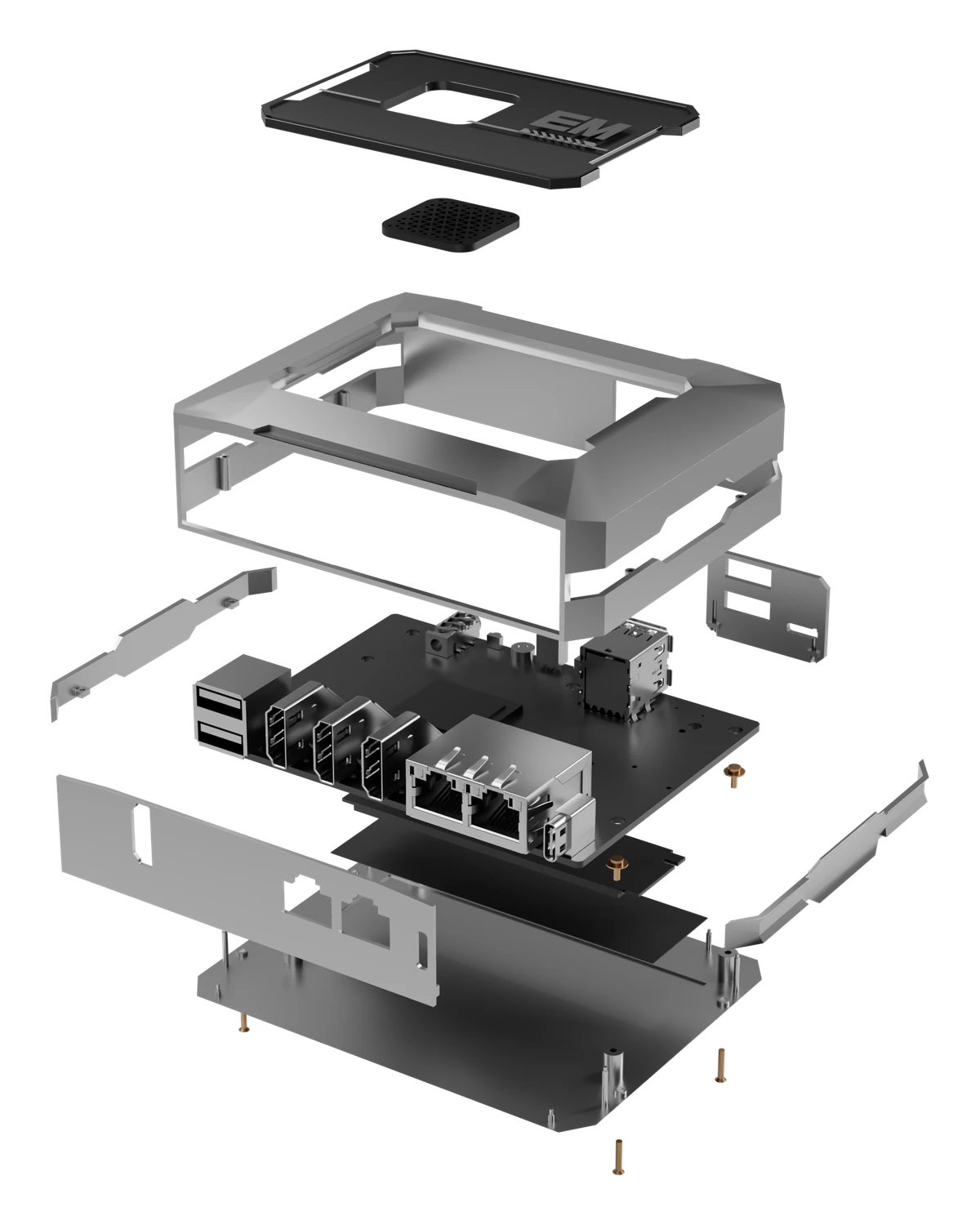
ETT enclosure, board and connections separated into component layers

Built for
your workflow.

A dedicated computer for agents and the tools they use.

Observe. Act. Check the result.
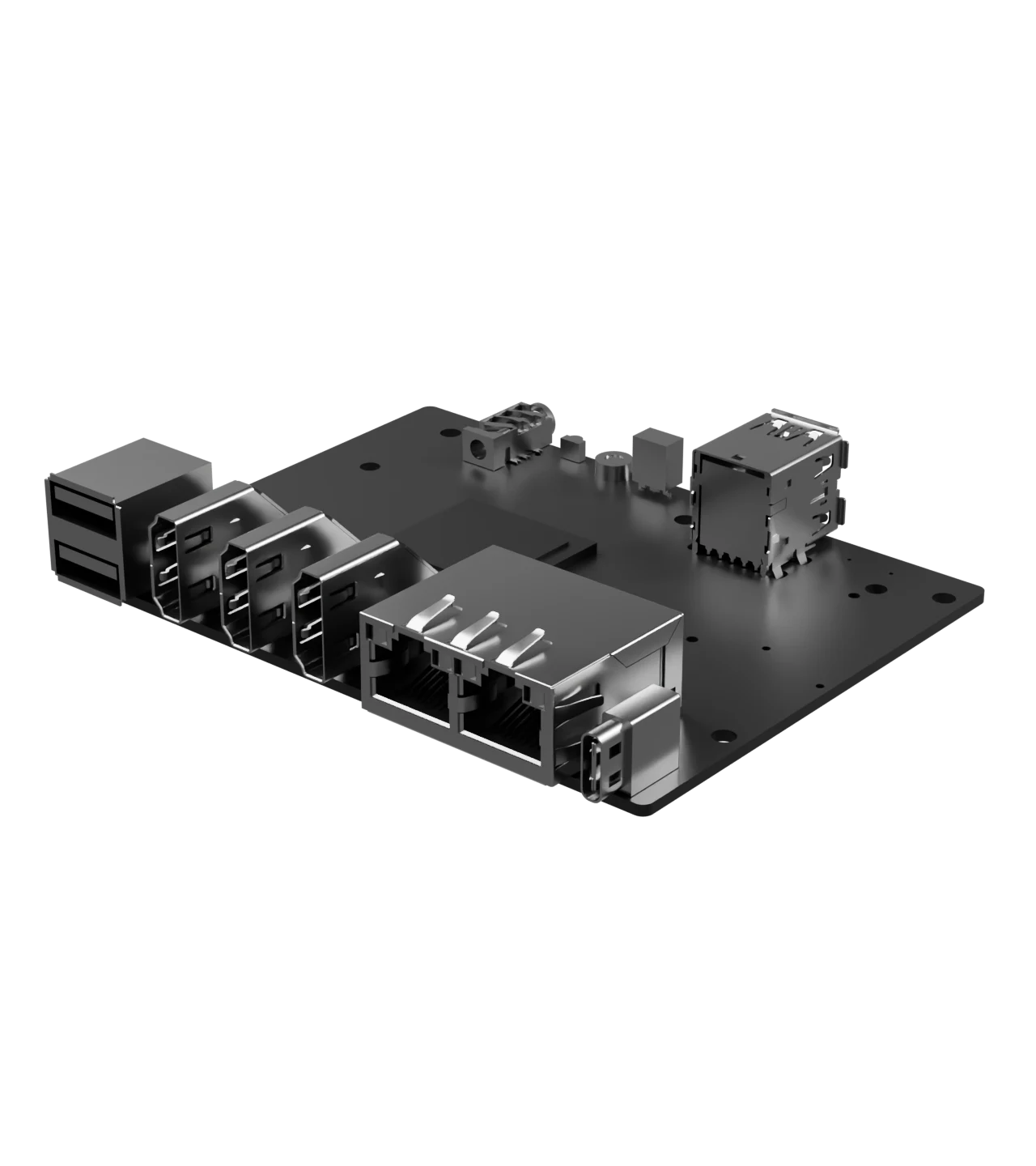
Close view of the ETT board and physical connections

Your agent.
Your choice.

Start on ETT.

Device-side runtime, sessions, memory and Skills. Use the model provider you configure.

Connect your own.

Your external agent uses authenticated MCP and its own model, conversations and settings.
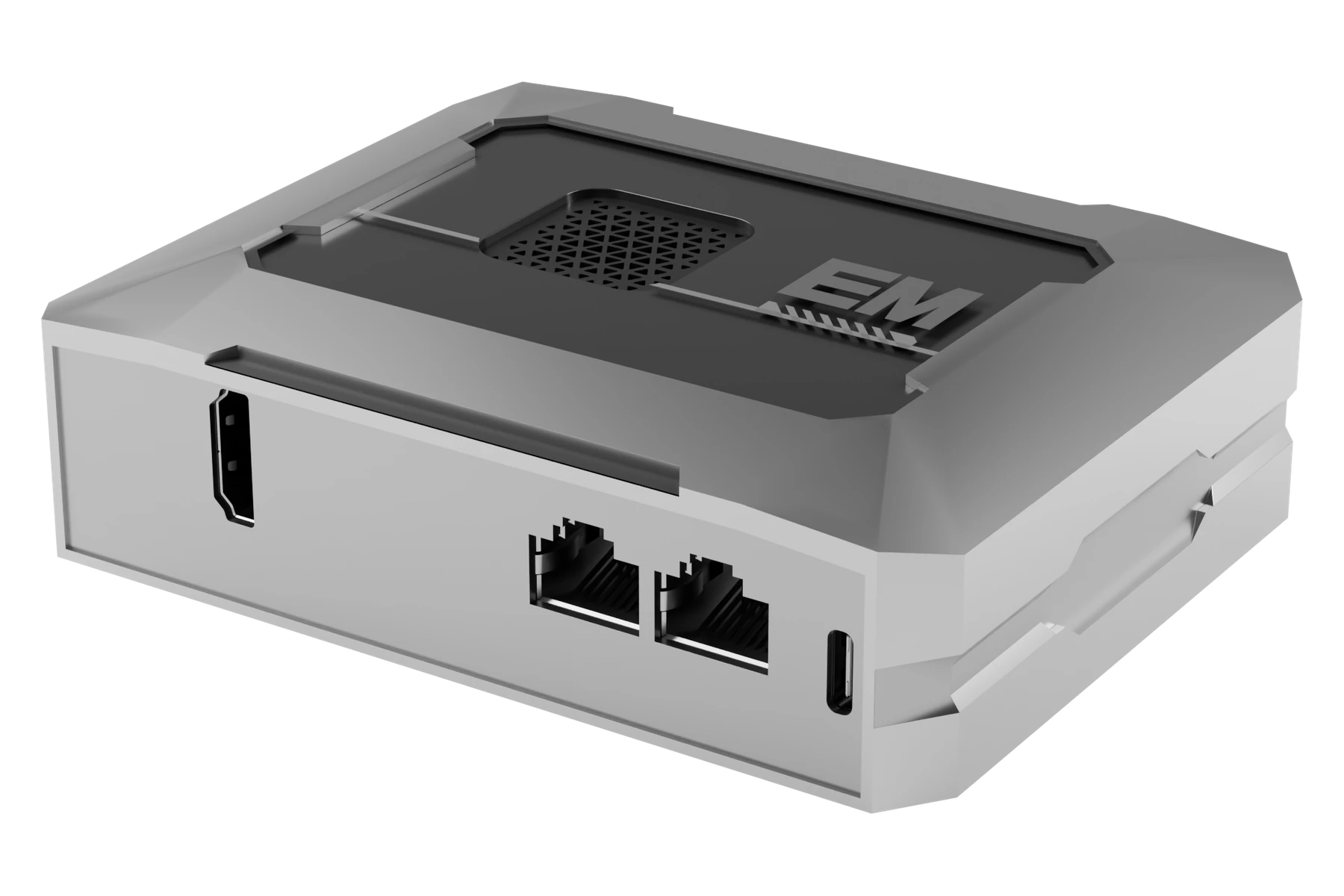
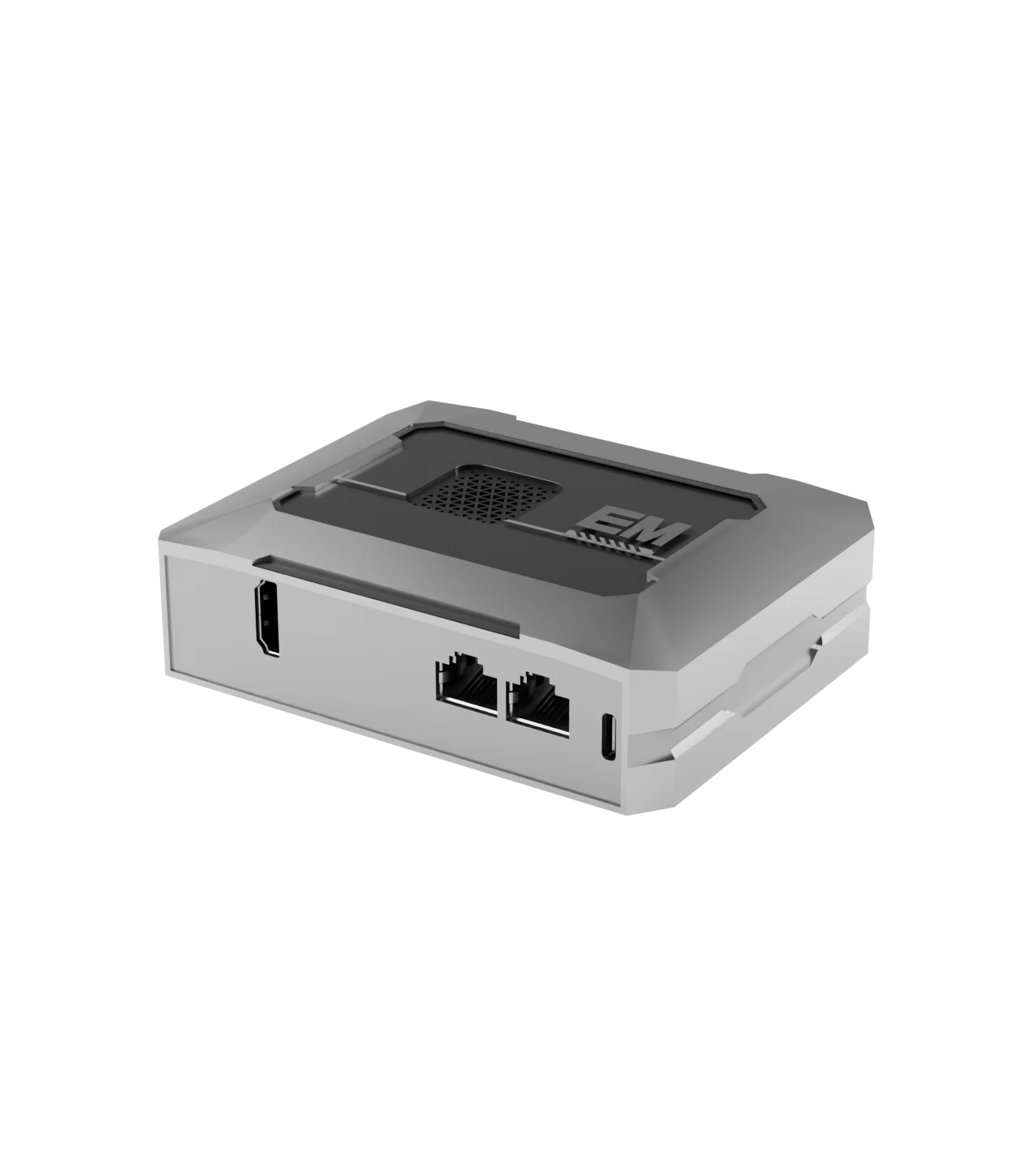
ETT assembled design

Useful intelligence.
In your real workspace.

AI can explain what to do. ETT is designed to give it a controlled way to work with the screen, keyboard and devices in front of you.

See the actual screen

Bring visual context from a connected device through HDMI capture or a supported adapter.

Work through real inputs

Use keyboard and mouse control through USB HID, with device-specific capabilities where supported.

Keep a clear boundary

Choose the agent, define the task and keep device access behind local authentication and controls.

Screen in.
Action out.

Keep your computer and your workspace. Connect the screen and input paths, then define the task.

  1. Capture the screen through HDMI or a supported adapter.

  2. Connect USB for keyboard and mouse input.

  3. Authorize access and choose the AI workflow for your task.

Capabilities depend on the target device, adapter and permissions.

Fits the way
you work.

A compact control terminal for a desk, a lab or a remote workspace. Explore the industrial-design direction behind ETT.

At your desk

Give AI context from the applications you already use.

In your lab

Explore repeatable workflows with controlled hardware access.

Across your devices

Use target-specific adapters and profiles for supported devices.

Your device.
Your boundary.

Local control, clear permissions and a task you define.

AuthenticationTarget profilesAgent memorySkills & tools

Separate connection from intelligence

The remote server handles identity and connectivity. Device-side services perform hardware actions.

Access with permission

Authenticated tools operate within target profiles and task boundaries. Unknown targets begin with observation.

Keep consequential actions intentional

High-risk outcomes require explicit task authorization. You decide what the AI is allowed to do.

Local agent management does not mean every model runs offline. Data sent to a selected model provider is governed by that provider and your configuration.

Questions.

What is an AI KVM?

KVM means keyboard, video and mouse. ETT is a portable AI KVM in development, designed to let an authorized AI agent observe a connected screen and perform keyboard and mouse actions.

Which devices will ETT support?

Capabilities depend on the target device, operating system, display output, input path, adapter and permissions. HDMI capture and USB HID are the core connection paths. Supported configurations will be published after device-specific validation.

Where does the AI run, and where does my data go?

The agent can run on ETT while a model service you configure provides reasoning. An external agent brings its own model and settings. Screen or task data may be processed by that provider, subject to its policies and your configuration. Device-side agent execution does not mean all models run offline.

How is device access controlled?

ETT’s architecture uses local authentication, target profiles and task boundaries. Unknown targets begin with observation; consequential actions require explicit task authorization. The remote server handles identity and connectivity, while device-side services perform hardware actions.

Are these photographs of the final product?

These are design renders based on the supplied product model. Materials, enclosure details, ports, wireless features and dimensions are design proposals and may change during development. They do not establish final production specifications.

When can I back ETT?

Campaign timing, reward options, price, service plans, supported regions and delivery estimates will be announced once confirmed. This preview does not collect pledges or orders.

Less distance between
idea and action.

Explore the ETT console or talk with Extendmachine about the possibilities.

ETT is under development. Hardware availability and supported configurations will be announced separately.